• Well-being •13 min read


• Well-being •13 min read
Breaking a phone addiction is about reclaiming your focus and mental clarity by setting intentional boundaries and using smart automation to silence the digital noise. By implementing structured no-phone zones, utilizing focus-driven tools like AppBlock, and practicing mindful replacement habits, you can shift from reactive scrolling to proactive living.
It often starts with a simple intention: checking a single work email or a quick weather update. Yet, an hour later, many find themselves deep in an algorithmic rabbit hole, having mindlessly scrolled through dozens of unrelated videos or social feeds. This experience is not a personal failure of willpower; rather, it is the result of software engineered for behavioral addiction.
Smartphone applications are meticulously designed to act as “digital slot machines”, utilizing variable reward schedules to trigger dopamine releases. Each notification, like, or refresh creates a hit of anticipation that keeps the brain returning for more, even when the activity no longer provides satisfaction.
Recent data suggests that phone addiction, often referred to as nomophobia (the fear of being without a mobile device), is a growing global concern. Research indicates that 6.3% of the overall population meets the criteria for phone addiction, a figure that rises to 16% among those under age 30. In the United States, roughly 50% of people spend between five and six hours on their smartphones daily, often ignoring professional responsibilities and personal relationships in the process.
Regaining control requires moving from passive consumption to intentional engagement. The following steps provide a framework for a successful digital declutter.
Nearly 85% of people check their phones within 10 minutes of waking up. This immediately puts your brain into a reactive state, responding to emails, news, and notifications before you’ve even had your coffee.
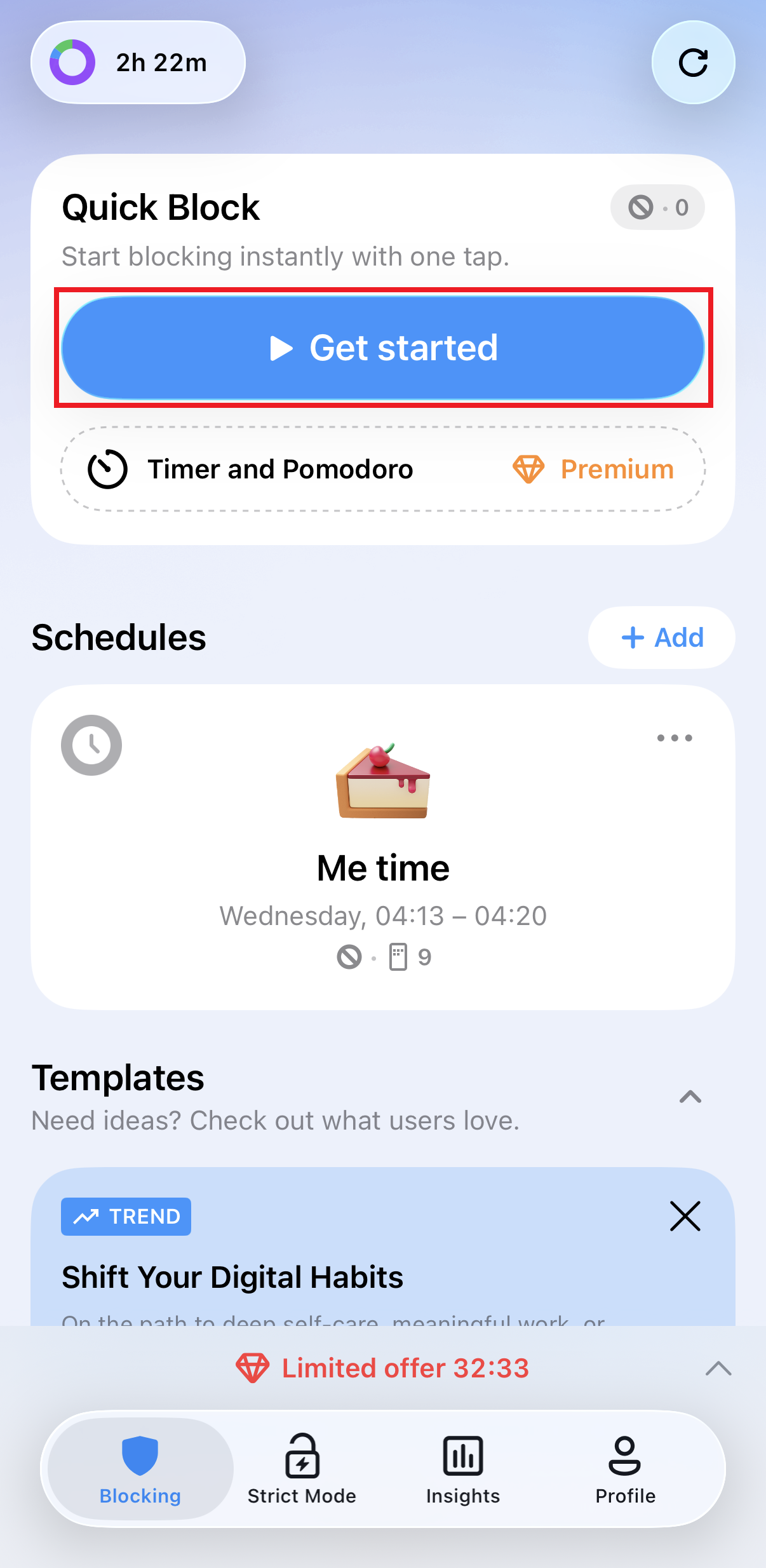
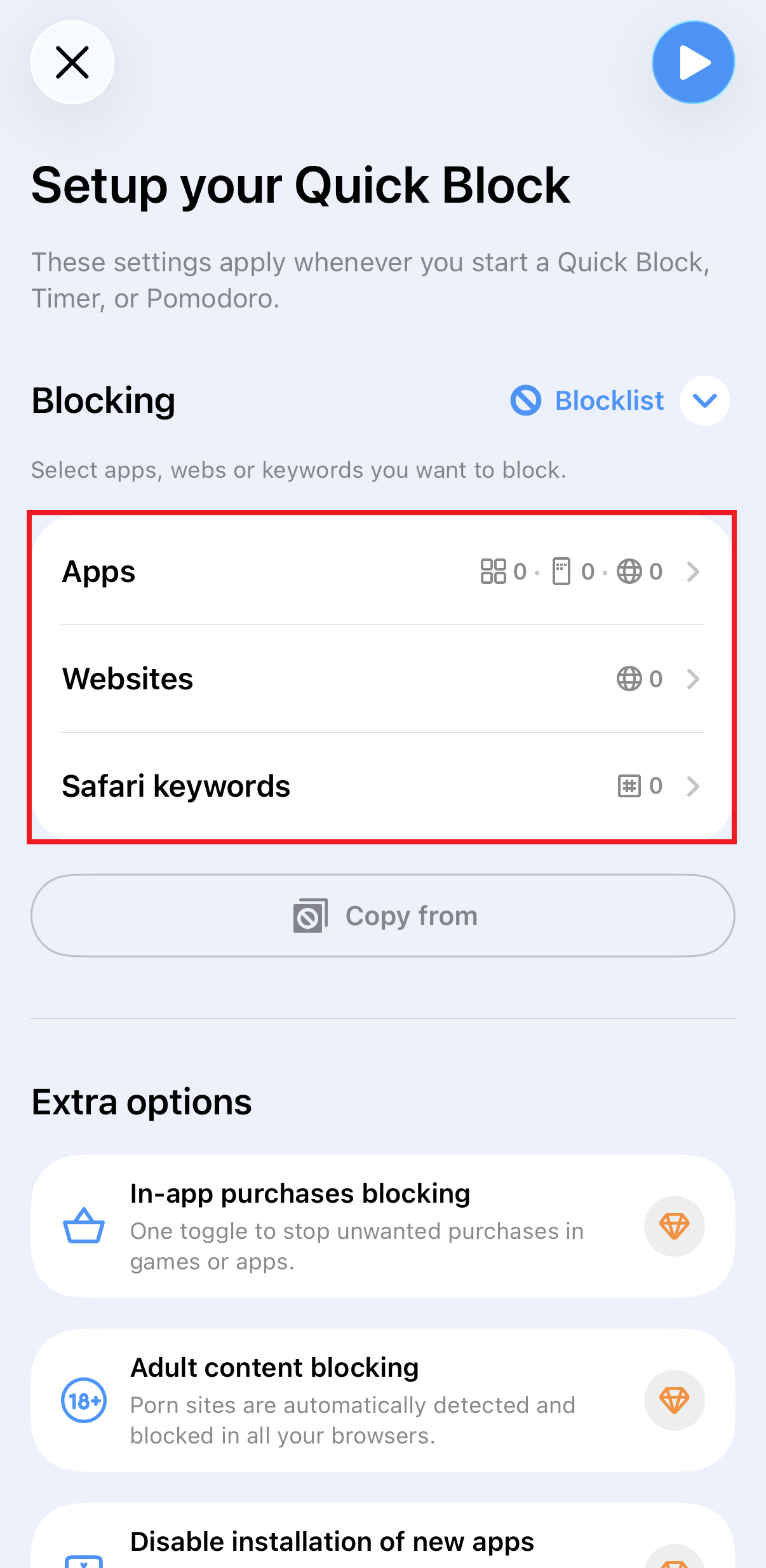
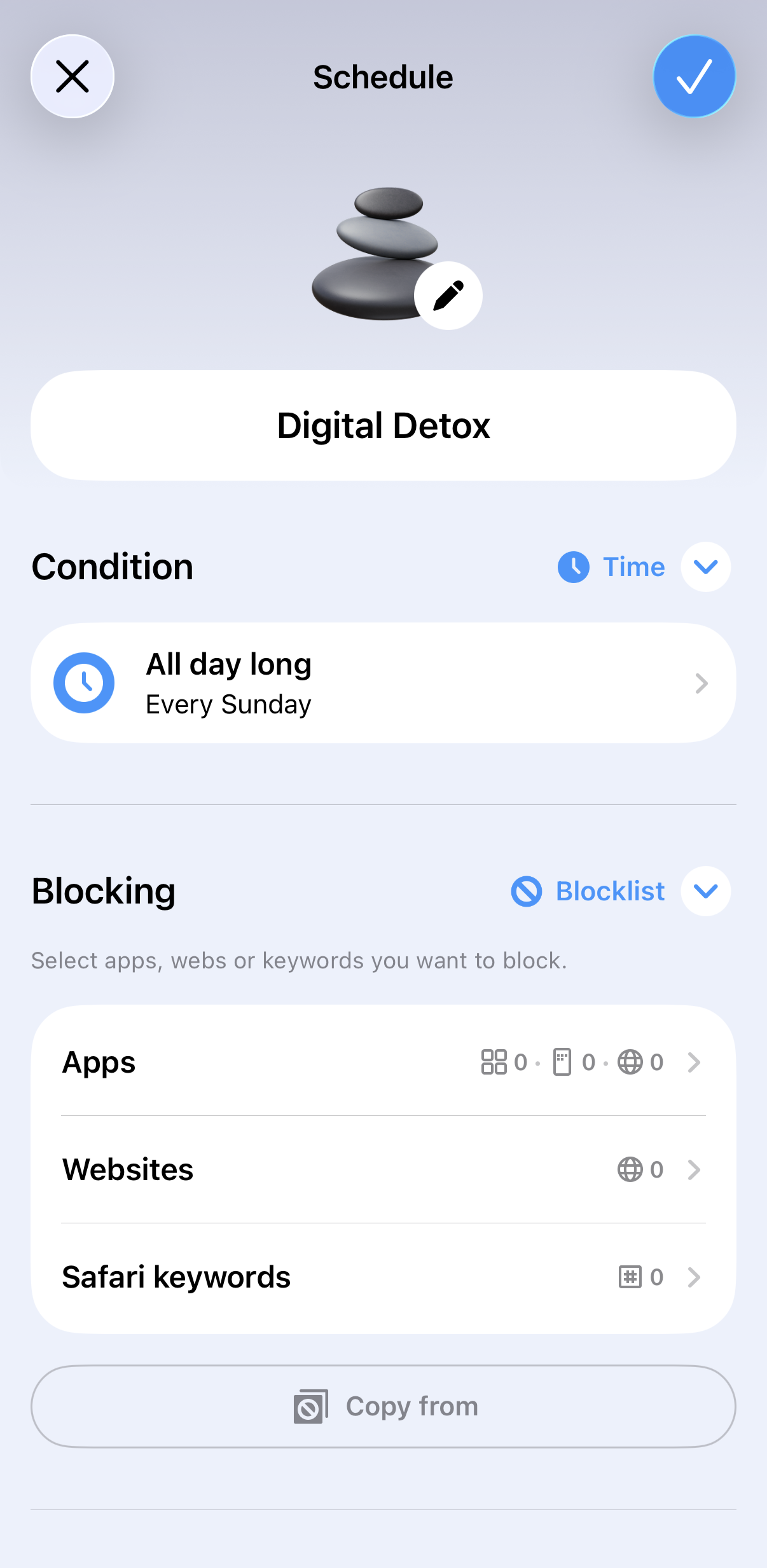
Behavioral research, including insights from the Atomic Habits approach, shows that making an unwanted behavior harder to perform can significantly reduce how often it occurs. Small obstacles create just enough pause to interrupt autopilot.
Bright, saturated colors are deliberately used in interface design to trigger dopamine responses and prolong engagement. Switching the screen to greyscale disrupts this feedback loop, making interactions feel less stimulating. Research has shown that users who adopt greyscale often report reduced stress and a stronger sense of control, largely because the device becomes less visually rewarding.
Physical separation remains one of the most reliable ways to reduce digital distraction. Creating clear spatial and temporal boundaries helps redefine when and why the phone is used.
Every notification is a micro-interruption that costs you up to 23 minutes of “recovery time” to get back into deep focus.
For those whose phone use significantly impairs their daily functioning, professional therapy may be necessary.
To wrap things up, here’s a practical set of extra rules you can try if you want to get your phone habits back under control. They’re inspired by the Fogg Behaviour Model, which basically says that habits happen when three things line up: a trigger (like a notification), how easy the action is (grabbing your phone and scrolling), and a reason to do it (boredom, curiosity, procrastination – you name it).
The tips below are designed to break that loop, by cutting down triggers, adding a bit of friction, and making the phone slightly less tempting to use. Think of them as simple, realistic tweaks you can start experimenting with right away.
| Guideline | Target | Rationale |
|---|---|---|
| 1. Disable non-essential notifications (sounds, banners, and vibration). | Prompts | Notifications disrupt task performance and may increase stress. |
| 2. Keep your phone on silent (vibrate off), face down, out of sight, and out of reach when not in use throughout the day. | Prompts, ability | The mere presence of a smartphone reduces cognitive task performance. |
| 3. Disable Touch ID/Face ID (i.e., the fingerprint/face scanner to unlock your phone); use a password instead. | Ability | Making a behaviour more effortful reduces its frequency. |
| 4. Keep your phone on silent (vibrate off) and out of reach when going to bed (e.g., on the opposite side of the room). | Prompts, ability | Avoiding smartphone use at night may improve sleep and quality of life. |
| 5. Turn down your phone’s brightness, set it to greyscale (black and white), and change the colour warmth to filter out blue light (turn on night shift). | Ability, motivation | Reducing light before bed may improve sleep and the greyscale setting may reduce screen time. |
| 6. Hide social media and email apps (e.g., Instagram, SnapChat, Facebook, Gmail, Outlook) in a folder off the home screen (or even delete them). | Ability | Reducing social networking site use may improve well-being. |
| 7. If you can do the task on a computer, try to keep it on the computer (e.g., social media, web search, or e-mail). | Ability, motivation | Social networking site use primarily occurs on smartphones and may be more likely to produce habitual use compared to computers. |
| 8. Let your family, friends, or colleagues know that you will be replying less often unless they call you directly. | Motivation | Messaging is the most common use of smartphones, and social uses of phones may be the most likely to promote habits. |
| 9. Leave your phone at home when you do not need it (e.g., when getting groceries or going to the gym). | Ability | Not having a phone accessible will prevent it from interfering with other activities such as social interactions. |
| 10. Overall, use your phone as little as possible. | Motivation | A moderate amount of screen time may be beneficial and people can limit it through will-power with varying degrees of success. |
Breaking a phone addiction isn’t about hating technology, it’s about making sure your technology works for you, not the other way around. You deserve to live a life where your best moments aren’t viewed through a 6-inch screen.
Start small. Choose one habit today, like keeping the phone out of the bedroom, and let automation handle the rest. By using a tool like AppBlock, you can set your boundaries once and let the app do the heavy lifting of keeping you focused.
Common signs include feeling anxious or restless without your device, neglecting work or home duties for screen time, experiencing “phantom vibrations,” and repeatedly reaching for your phone the moment you feel bored.
Yes. While it sounds counterintuitive, app blockers like AppBlock provide the “friction” that willpower often lacks. By setting hard limits on distracting apps during specific times of the day, users can reclaim hours of productive time.
Chronic overuse is linked to sleep deficits, attention fragmentation, increased anxiety, and physical issues like “text neck” and digital eye strain. In professional environments, it can also lead to increased accidents and decreased cognitive efficiency.
Yes. “Text neck” (stretching the neck ligaments from looking down) and “smartphone thumb” are increasingly common. Additionally, the blue light from screens can suppress melatonin, leading to chronic insomnia.
While there is no magic number, experts suggest limiting recreational screen time to under two hours per day. The quality of the time matters more than the quantity, active communication is far healthier than passive scrolling.
Gain back control over your screen, empower your life with AppBlock.
Try for free
Ever find yourself picking up your phone for no reason—only to scroll for 20 minutes and feel more stressed than when you started? You’re not…

In a world of one-click purchases and ever-present sales, shopping has become almost effortless. But while it’s easy to buy, it’s just as easy to…

Think – constantly reaching for your phone, coming back to check for likes, scrolling and losing the sense of time. Sounds familiar? Social media is…