• Well-being •15 min read


• Well-being •15 min read
Constant digital stimulation can train the brain to expect fast, high-intensity rewards, making normal tasks feel less engaging over time. Building a healthier dopamine baseline starts with reducing unnatural dopamine triggers. Apps like AppBlock can help limit unhealthy digital stimulation before it leads to another spike-and-crash cycle. Once that overstimulation is reduced, habits like better nutrition, sunlight, movement, cold exposure, and mindfulness can support a more stable and natural reward system.
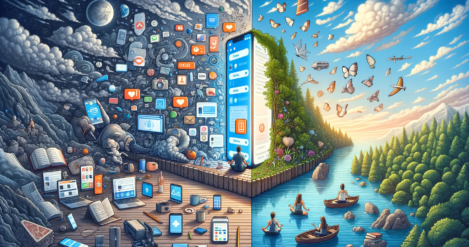
Digital overstimulation is changing how the brain responds to reward. Constant exposure to notifications, social media, short-form content, and other fast digital inputs can create repeated dopamine spikes followed by sharp crashes. Over time, this pattern may contribute to pleasure response burnout, a state in which the brain becomes less responsive to everyday rewards and normal tasks like studying, reading, or deep work start to feel unusually dull.
This problem is becoming increasingly common in an always-on environment where attention is constantly pulled toward instant gratification. Instead of supporting steady motivation, these repeated bursts of stimulation can gradually desensitize the brain’s reward pathways and make focus harder to sustain.
As Dr. Cameron Sepah, the psychiatrist who popularized the term dopamine fasting, has explained, the goal is not to remove dopamine or flush anything out of the system. The real aim is to reduce compulsive overstimulation so the brain can become more responsive to normal, healthy rewards again.
Dopamine is a neurotransmitter involved in motivation, reward, learning, and the drive to pursue goals. It is not simply the “pleasure chemical,” as it also helps shape anticipation, effort, and focus.
In today’s always-on environment, the brain is constantly exposed to sources of what can be described as unnatural dopamine. These are not “unnatural” because dopamine itself is artificial, but because the stimulation is unusually intense, fast, and frequent compared to what the human brain evolved to handle. Activities such as social media scrolling, binge eating, video games, online shopping, pornography, constant notification checking, and even endlessly switching between short-form content can produce sharp dopamine spikes that are often followed by a noticeable crash below the previous baseline.
Some forms of unnatural dopamine are less obvious because they can feel productive or harmless on the surface. Compulsive email refreshing, obsessively checking analytics, jumping between tabs, doomscrolling news, chasing small bursts of validation through likes or messages, or relying on highly stimulating background entertainment throughout the day can all keep the brain in a cycle of constant reward-seeking. The problem is not occasional enjoyment, but repeated overstimulation without enough recovery.
This is why natural dopamine matters. Natural dopamine tends to rise more gradually and in response to behaviors that support long-term well-being rather than instant gratification. It is associated with activities such as exercise, sunlight exposure, quality sleep, meaningful social interaction, learning, completing difficult tasks, listening to music, spending time in nature, meditation, and eating nutrient-dense foods rich in protein, tyrosine, magnesium, and omega-3s. Even simple acts like finishing a workout, preparing a healthy meal, cleaning your space, or making steady progress on a demanding project can create a more stable and sustainable dopamine response.
When the brain is exposed to chronic, high-intensity spikes, it can enter what many describe as pleasure response burnout. Neural pathways begin to desensitize as a protective response, which makes ordinary activities like studying, deep work, reading, or even resting feel less satisfying. Over time, the brain starts expecting stronger stimulation just to feel engaged.
A more natural approach does not aim to eliminate dopamine or “flush out” a toxin. As Dr. Cameron Sepah explains, the goal is to reduce compulsive overstimulation so the brain can regain sensitivity to normal rewards. In practice, that means relying less on instant, high-intensity stimulation and rebuilding reward through behaviors that are slower, healthier, and more sustainable.
Before building habits that support a healthier dopamine baseline, it is important to reduce the behaviors that keep overstimulating the brain. Improving focus is much harder when attention is constantly pulled toward fast digital rewards. To become more responsive to natural sources of motivation again, the brain needs less stimulation for a period of time.
This approach is often called subtractive productivity. It means identifying and limiting the habits that cause the biggest dopamine spikes and crashes. For many people, that starts with setting clear boundaries around smartphone use and reducing constant access to notifications, social media, and other instant distractions.
Tools like AppBlock can make this process easier. Instead of relying only on willpower, users can shape their digital environment in advance. By scheduling Strict Mode during deep work hours or blocking social media apps after 8:00 PM, it becomes easier to avoid unnecessary stimulation and make space for more stable, natural motivation.
Once digital overstimulation is reduced, the brain becomes more responsive to healthier and more sustainable sources of stimulation. These methods do not just create a short-term boost. They help support dopamine regulation more consistently over time.
Research suggests it can take up to 90 days for the brain’s reward circuitry to fully rewire and regain sensitivity to natural stimuli.
Dopamine is not produced randomly. It is synthesized from specific amino acids, mainly L-tyrosine and L-phenylalanine. Research suggests that a diet rich in these precursors (found in eggs, lean meats, soy, and dairy) can support cognitive flexibility and working memory, especially during stress.
Research on the gut-brain axis also suggests that the microbiome may play a role in dopamine-related processes. Some probiotic strains, including Enterococcus faecium (found in fermented foods, including cheeses, traditional fermented sausages, and soy products), have been shown to produce dopamine in the gut, which may influence mood and reward signaling. A balanced, nutrient-dense breakfast can help create better conditions for focus and energy during the day.
In dopamine terms, this means that food can quickly affect how much of the raw material for dopamine production is available to the brain.
Human biology is evolutionarily primed to respond to environmental stressors that trigger a “neural reset”. Two of the most effective natural ways to support dopamine involve simple changes in your environment:
Morning sunlight: Exposing the eyes to natural light for 10 to 20 minutes shortly after waking helps stimulate dopamine release and regulate the circadian rhythm. This is not only about vitamin D. Light entering the eyes also affects biological processes involved in dopamine production, which can improve alertness and mood.
Dr. Andrew Huberman warns that failing to get enough light during the day while viewing bright screens at night can trigger a pro-depressive circuit that disrupts this balance.
Deliberate cold exposure: A cold shower or cold plunge can also increase dopamine activity. Studies suggest that cold water immersion may raise dopamine levels significantly. Unlike fast digital stimulation, this effect appears to be more gradual and longer-lasting, which may support calm focus and steady energy.
On average, women possess a higher surface-area-to-mass ratio and a lower metabolic rate, meaning they often feel the cold more intensely. Experts suggest women may benefit from starting at slightly warmer temperatures (between 55°F and 65°F) to trigger the beneficial stress response without causing overwhelming psychological distress.
Physical activity is one of the most reliable ways to support a healthy dopamine baseline. High-intensity interval training, or HIIT, has been linked to an increase in dopamine D2 receptor density, which may improve the brain’s sensitivity to rewards. At the same time, moderate aerobic exercise supports the release of Brain-Derived Neurotrophic Factor, or BDNF, a protein that helps maintain healthy neurons and supports long-term motivation.
Research suggests that sex-dependent differences may exist here as well, meaning women may need longer periods of consistency to see the same long-term structural changes in reward-related brain systems.
Mindfulness meditation does more than reduce stress. It can also change how the brain responds to rewards. By practicing present-moment awareness, people may improve how they process reward prediction, or the difference between what they expect and what they actually receive. This can reduce the constant search for the next source of stimulation and make everyday tasks feel more satisfying.
Developed by psychologist Alan Marlatt, urge surfing is a mindfulness technique for handling cravings and urges without acting on them. It works by noticing the trigger, staying present through the rise and peak of the urge, and letting it fall on its own. Instead of fighting the feeling, you observe it with curiosity and without judgment, which helps you respond more calmly. A practical way to use it is to pause, focus on your breathing, and track how the urge changes in your body for a minute or two. Because it can be done almost anywhere, urge surfing is a simple tool for managing everything from substance cravings to the urge to check social media.
Improving dopamine function naturally is not about chasing another quick fix. It starts with reducing the sources of overstimulation that train the brain to expect constant rewards. Once unnatural dopamine triggers are limited, healthier inputs like nutrition, sunlight, exercise, cold exposure, and mindfulness become more effective.
This process takes consistency, not perfection. The goal is not to remove pleasure from daily life, but to restore the brain’s ability to respond to normal, meaningful rewards again. Over time, that can lead to better focus, steadier motivation, and a healthier relationship with work, rest, and digital technology.
Unnatural dopamine triggers are forms of stimulation that are unusually fast, intense, and frequent. Common examples include social media scrolling, video games, binge eating, pornography, online shopping, constant notification checking, doomscrolling, and compulsive app switching.
Yes. AppBlock can help reduce compulsive phone use by limiting access to distracting apps during work, study, or evening hours. This lowers daily overstimulation and makes it easier to build healthier habits.
While individual results vary, many people report feeling a significant shift in their ability to focus within 2 to 4 weeks of reducing high-intensity digital stimulation. This period allows the brain’s dopamine receptors to upregulate or become more sensitive again.
Repeated dopamine spikes can reduce sensitivity in the brain’s reward system. When this happens, lower-stimulation activities like studying, reading, or focused work may feel less satisfying because the brain has adapted to stronger input.
Dopamine affects much more than pleasure. It also plays a major role in motivation, reward learning, attention, goal-directed behavior, and the willingness to put in effort.
Yes, but the key is intentionality. The goal is to move away from compulsive, mindless scrolling. Using a tool like AppBlock to set usage limits or usage timers ensures that you control the technology, rather than the technology controlling your brain’s reward system.
Gain back control over your screen, empower your life with AppBlock.
Try for free
Are you constantly grabbing your phone? Do you often binge-watch TV shows? Or have you ever found yourself playing a videogame for so long t...
In this era of constant connectivity, the need for a digital detox is more pressing than ever. As we step into a new year, many…

In today’s hyperconnected world, social media has become an integral part of our lives. We scroll through our feeds, checking for updates, likes, and comments,…